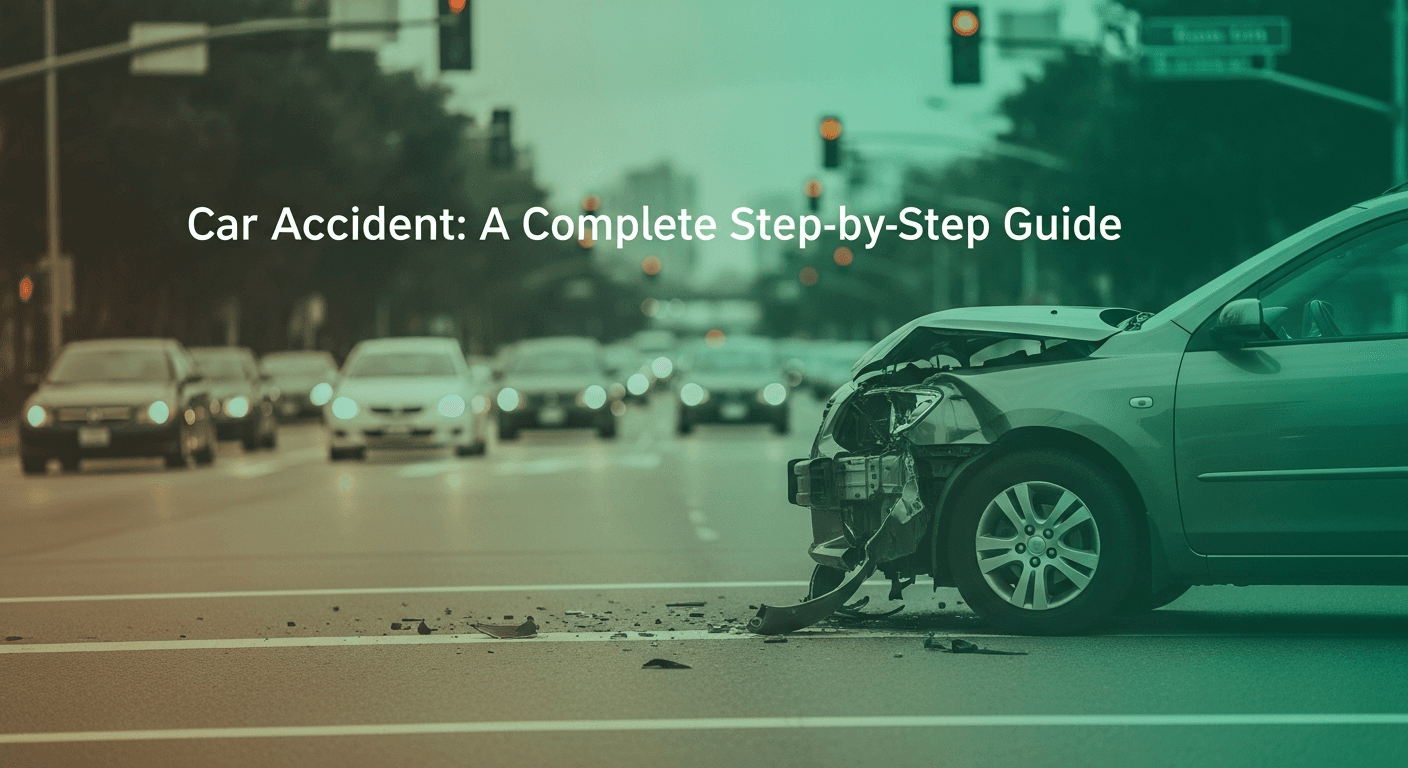
Car Accident: A Complete Step-by-Step Guide
Being involved in a **car accident** can be a stressful experience. This step-by-step guide provides essential information on what to do immediately after an accident, how to file an **insurance claim**, and when to seek **legal advice** to protect your rights and interests.
Car Accident: A Complete Step-by-Step Guide
Imagine this: You're driving home from work, and suddenly, bam! Another car slams into yours. Panic sets in. Do you know what to do next?
This comprehensive guide will walk you through the essential steps to take after a car accident, helping you protect your rights and navigate the often-complex process of filing an insurance claim and seeking legal advice if needed.
What You'll Learn in This Guide
- Immediate Actions After a Car Accident
- Gathering Information and Evidence
- Reporting the Accident and Filing a Claim
- Understanding Insurance and Legal Considerations
- Seeking Medical Attention and Documenting Injuries
- Frequently Asked Questions
Immediate Actions After a Car Accident
After a car accident, your immediate actions are crucial for your safety and the integrity of any future insurance claim or legal proceedings. Prioritize safety, assess the situation, and take necessary steps to protect yourself and others.
- Check for Injuries: Assess yourself and any passengers for injuries. If anyone is injured, call for medical assistance immediately.
- Move to Safety: If possible and safe to do so, move your vehicle to a safe location away from traffic. Turn on your hazard lights.
- Call the Police: Contact the police to report the car accident, especially if there are injuries, significant property damage, or if the other driver is uncooperative.
When Not to Move Your Vehicle
- If moving the vehicle would create a greater hazard (e.g., on a busy highway).
- If anyone is seriously injured and moving them could worsen their condition.
- If the police instruct you to leave the vehicles in place.
Gathering Information and Evidence
Collecting detailed information at the scene of a car accident is vital for supporting your insurance claim and any potential personal injury lawsuit. Gather as much information as possible while it's fresh in your memory.
- Exchange Information: Obtain the following information from the other driver(s):
- Full name and contact information
- Driver's license number
- Vehicle registration information
- Insurance company and policy number
- Document the Scene: Take photos and videos of the following:
- Damage to all vehicles involved
- The accident scene from various angles
- Road conditions, traffic signals, and any relevant signage
- Visible injuries to yourself or others
- Witness Information: If there were any witnesses, obtain their names and contact information. Their statements can be valuable.
The Importance of a Detailed Accident Report
A comprehensive accident report serves as official documentation and can be invaluable when dealing with insurance claim adjustments or potential legal disputes.
Reporting the Accident and Filing a Claim
Reporting the car accident to the appropriate authorities and filing an insurance claim are crucial steps in the process. Understanding the procedures and deadlines is essential to protect your rights.
- Police Report: Obtain a copy of the police accident report. This report contains important details about the car accident, including the officer's assessment of fault.
- Notify Your Insurance Company: Contact your insurance company as soon as possible to report the car accident. Provide them with all the information you have gathered, including the police report and photos.
- File a Claim: Follow your insurance company's instructions for filing a formal insurance claim. Be honest and accurate in your description of the car accident.
Understanding Time Limits for Filing a Claim
Be aware of any time limits for reporting the car accident and filing an insurance claim in your jurisdiction. Missing these deadlines can jeopardize your ability to recover compensation.
Understanding Insurance and Legal Considerations
Navigating the insurance and legal aspects of a car accident can be complex. Knowing your rights and understanding the applicable laws is essential.
- Understand Your Insurance Policy: Review your insurance policy to understand your coverage limits, deductibles, and any exclusions.
- Third-Party Liability: If the other driver was at fault, you may be able to file a claim against their insurance policy to recover compensation for your damages.
- Uninsured/Underinsured Motorist Coverage: If the at-fault driver is uninsured or underinsured, your own policy may provide coverage for your damages.
- Consider Legal Advice: Consult with an attorney experienced in personal injury law to discuss your legal options, especially if:
- You have suffered serious injuries.
- The insurance company is denying your claim or offering an unfair settlement.
- There is a dispute over who was at fault for the car accident.
The Role of an AI Legal Assistant
An AI legal assistant like Myvirtualawyer can provide initial guidance on your legal rights and options after a car accident. It can help you understand the basics of insurance claim procedures and connect you with qualified attorneys if needed. Myvirtualawyer is an excellent starting point. You can use it to understand your rights and prepare for conversations with lawyers or insurance companies. Consider using Myvirtualawyer to get a better understanding of your situation and explore your options. (Placeholder link to Myvirtualawyer)
Seeking Medical Attention and Documenting Injuries
Your health is paramount after a car accident. Seek medical attention promptly and meticulously document all injuries and medical treatments.
- Seek Immediate Medical Attention: Even if you don't feel injured immediately, it's important to see a doctor as soon as possible. Some injuries, such as whiplash, may not be apparent right away.
- Follow Medical Advice: Adhere to your doctor's treatment plan and attend all follow-up appointments.
- Document All Injuries and Treatments: Keep detailed records of all medical appointments, treatments, medications, and expenses related to your injuries.
- Maintain a Pain Journal: Document your pain levels, symptoms, and how your injuries are affecting your daily life. This can be valuable evidence in your insurance claim or personal injury lawsuit.
The Importance of Connecting Injuries to the Accident
It's crucial to establish a clear connection between your injuries and the car accident. This will strengthen your insurance claim and prevent the insurance company from denying coverage.
Frequently Asked Questions
What should I do if the other driver doesn't have insurance?
If the other driver is uninsured, you may be able to file a claim under your own uninsured motorist coverage. If you don't have uninsured motorist coverage, you may still be able to sue the other driver for your damages.
How long do I have to file a personal injury lawsuit after a car accident?
The statute of limitations for filing a personal injury lawsuit varies by state. It's important to consult with an attorney to determine the applicable deadline in your jurisdiction.
What if the police report is wrong?
If you believe the police report contains errors, you can contact the police department and request that they amend the report. Provide them with any evidence you have to support your claim.
Can I get compensation for pain and suffering?
Yes, you may be able to recover compensation for pain and suffering as part of your insurance claim or personal injury lawsuit. The amount of compensation you can recover will depend on the severity of your injuries and the impact they have had on your life.
Do I need a lawyer after a minor car accident?
While you may not need a lawyer for a very minor car accident with minimal damages, it's always a good idea to consult with an attorney to discuss your rights and options, especially if you are unsure about the claims process or if the insurance company is not treating you fairly.
Conclusion
Dealing with the aftermath of a car accident can be overwhelming. Remember to prioritize your safety, gather information, report the car accident promptly, and seek medical attention. Understanding your insurance coverage and legal rights is crucial for protecting your interests. By following the steps outlined in this guide, you can navigate the process more effectively and pursue the compensation you deserve.
For more comprehensive legal advice and assistance, consider exploring the resources available through Myvirtualawyer, an AI legal assistant designed to provide accessible and affordable guidance. Remember to consult with legal professionals for specific advice related to your unique situation.

Found this article helpful? Share it!
Related Articles

Accident de la Route: Guide Complet pour l'Indemnisation
Être victime d'un accident de la route est une épreuve. Ce guide vous explique comment obtenir une indemnisation équitable pour vos dommages, en détaillant les démarches auprès de l'assurance et les recours possibles.

Car Accident Checklist: Protect Your Rights!
Being involved in a car accident can be overwhelming. This checklist provides essential steps to protect your rights, from gathering information at the scene to filing an insurance claim.